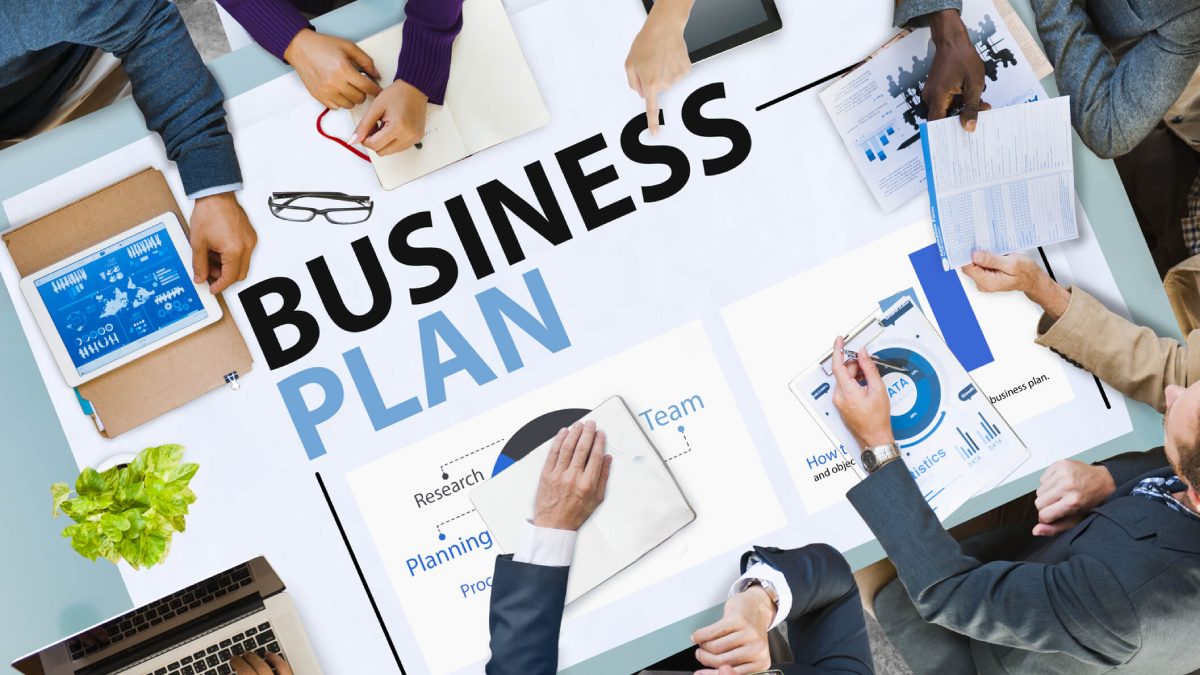
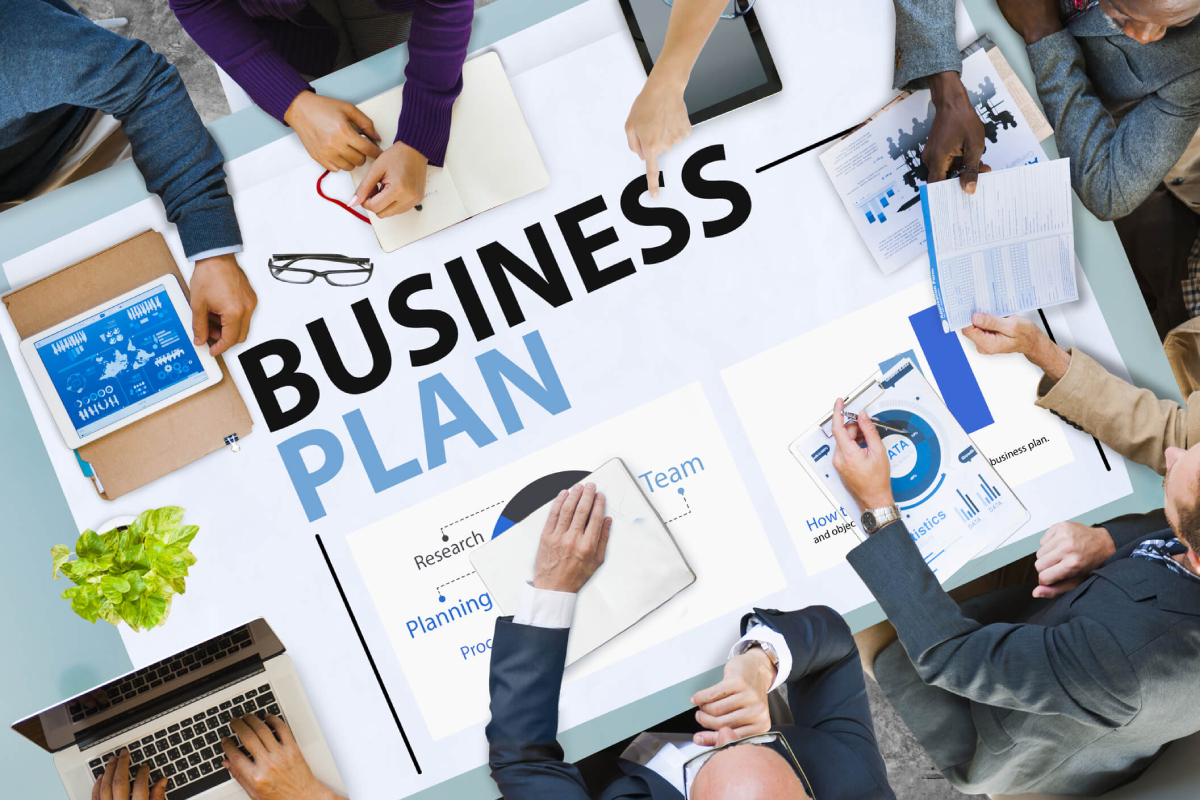
Looking to launch a business in 2026 is not like it was five years ago. The conventional wisdom, which involves write a long business plan, raise money, register first and develop everything beforehand, has not worked very well with the majority of first-time founders. Statistics have proven that startups that become successful are small, get validated, and formalized later.
It is a guide on how to start a business in 2026, just as the real founders do, with modern tools, lean validation, and evidence-based choices, without copying outdated playbooks. Driven, Modern Founder’s Guide
Table of Contents
Why Starting a Business in 2026 Is Fundamentally Different
Three structural shifts define entrepreneurship in 2026:
- Lower startup costs, but higher competition
- Rise of informal and solo founders
- AI replacing early-stage teams
Most guides ignore these shifts. As a result, readers follow advice that doesn’t reflect current reality.
Key Reality Check
- The majority of new businesses begin without employees
- Less than 1% of startups ever receive venture capital
- Early revenue matters more than early registration
- Speed of validation now outweighs perfection
Insight competitors miss:
People searching “how to start a business” are usually already testing ideas—they’re not beginners, they’re uncertain founders.
Step 1: Start With Proof, Not Passion
The biggest cause of business failure is no market demand, not lack of motivation or funding. In 2026, founders reduce risk by validating ideas before formal setup.
Practical Validation Methods That Work Today
- Pre-selling a service or product
- Offering paid pilots
- Running small ad tests
- Manual delivery before automation
Example:
Instead of building a meal-planning app, sell personalized meal plans via WhatsApp or email. If customers pay repeatedly, scale. If not, pivot.
This approach saves time, capital, and emotional energy.
Step 2: Choose a Business Model That Matches Reality
Not all business models are equal—especially for first-time founders.
Business Model Risk Comparison (2026)
| Model | Startup Cost | Risk Level | Speed to Revenue |
| Service-based | Low | Low | Fast |
| Digital products | Medium | Medium | Medium |
| E-commerce | Medium–High | Medium | Medium |
| SaaS | High | High | Slow |
| Marketplaces | Very High | Very High | Very Slow |
Evidence-based insight:
Service and knowledge-based businesses consistently outperform tech startups in early survival rates.
Most top pages promote SaaS or e-commerce first. Data suggests the opposite approach works better.
Step 3: The Lean Legal & Financial Setup
A common mistake is registering a business before confirming revenue.
The Smarter Sequence
Validate → Earn → Register → Scale
In 2026:
- Many founders operate informally during testing
- Registration becomes necessary when income stabilizes
- Legal setup should support growth—not precede it
Typical Lean Startup Expenses
- Domain and basic website
- Essential tools and software
- Marketing experiments
- Registration (later stage)
Perceived startup cost: High
Actual median startup cost: Significantly lower than most expect
This gap causes unnecessary fear and delays.
Step 4: Build a Minimum Viable Business (MVB)
Most guides talk about MVPs (Minimum Viable Products).
Successful founders build Minimum Viable Businesses.
An MVB includes:
- A paying customer
- A delivery process
- A feedback loop
MVB Example
- Offer: Resume review service
- Delivery: Google Docs + email
- Payment: Simple payment link
- Feedback: Client revisions
No complex tech. No unnecessary features. Just revenue.
Step 5: Marketing Comes Before Scaling
Many businesses fail not because the product is bad—but because no one knows it exists.
2026 Marketing Priorities
- One primary channel only
- Clear value proposition
- Conversion before traffic
Common mistake:
Trying to post everywhere instead of mastering one platform.
Correct approach:
Choose a single channel (SEO, Instagram, LinkedIn, ads) and focus on consistency and messaging clarity.
Step 6: Using AI as a Business Multiplier in 2026
AI is no longer optional—it’s a competitive baseline.
High-Impact AI Use Cases
- Market research & idea validation
- Content creation & copywriting
- Customer support automation
- Financial forecasting
- Process documentation
Case Study: Side Hustle to Sustainable Business
Founder: Freelance consultant
Month 1: Manual outreach + paid discovery calls
Month 3: Consistent monthly income
Month 5: Website + referrals
Month 6: Formal business registration
Key takeaway:
Revenue stability came before legal structure—not after.
This pattern repeats across industries.
Why Businesses Fail (And How to Avoid It)
| Failure Reason | Prevention Strategy |
| No market need | Validate before building |
| Cash flow issues | Lean expenses + early revenue |
| Overcomplication | Start with simple offers |
| Delayed marketing | Sell from day one |
| Tool overload | Use only essential systems |
Most failures are preventable with better sequencing.
2026 Startup Checklist
- Validate demand early
- Choose a low-risk model
- Start lean and informal
- Earn before registering
- Use AI strategically
- Focus on one marketing channel
- Scale only after consistency
Final Thoughts
Starting a business in 2026 is not about following rigid steps—it’s about reducing uncertainty through evidence.
The founders who succeed:
- Test before committing
- Earn before expanding
- Use modern tools
- Let customers—not assumptions—guide decisions
If you approach business this way, you don’t just start—you survive and scale.