
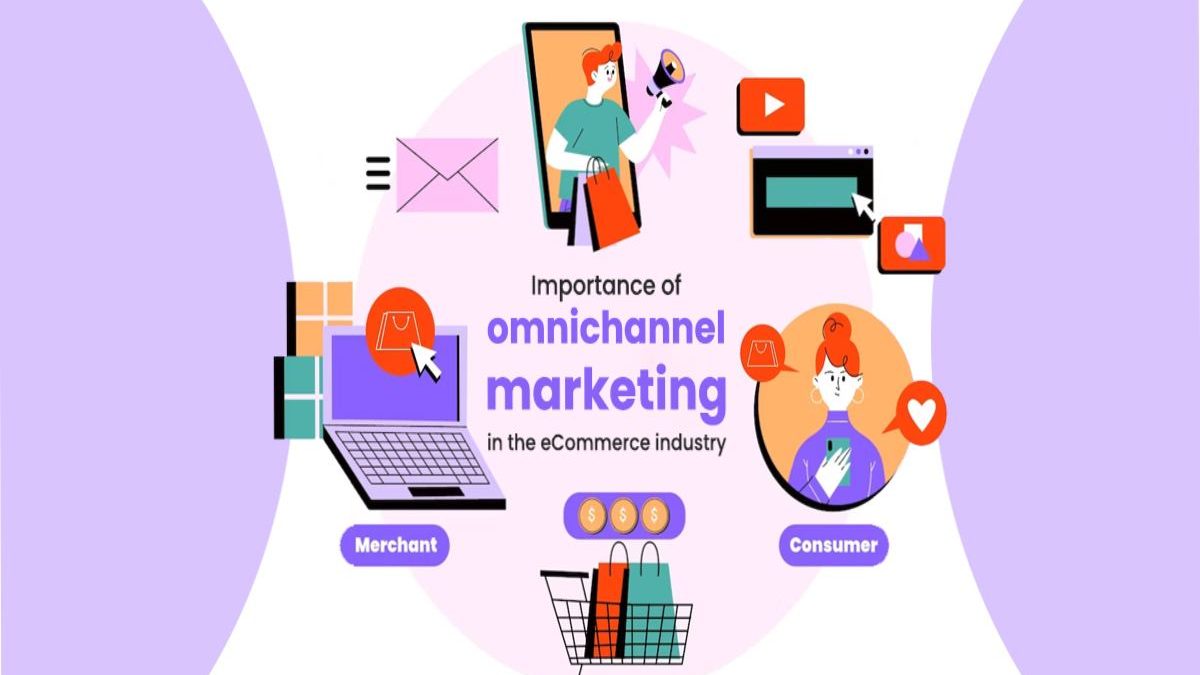
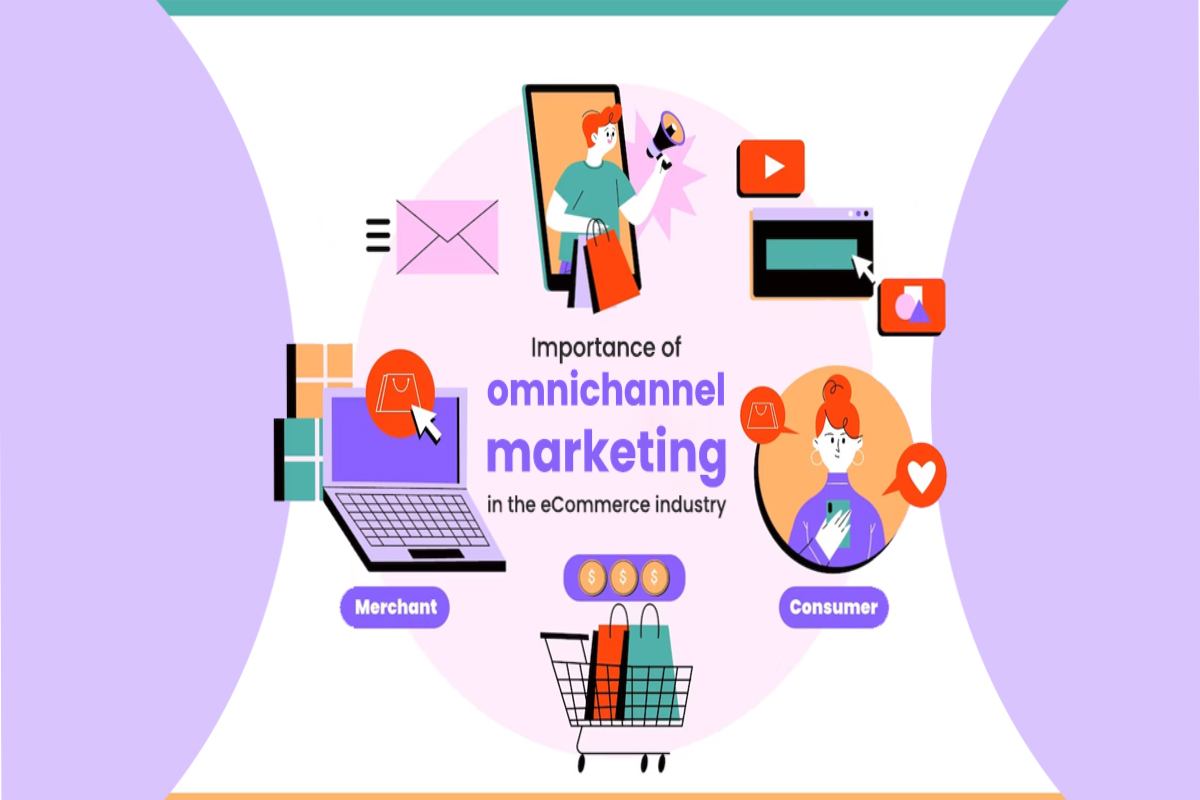
Omnichannel marketing is not just a tactic for visibility—it is a growth infrastructure that aligns every customer touchpoint to increase conversions, retention, and lifetime value.
The way most businesses continue to market today is still in bits different teams, different tools, different messages. Customers on the other hand are free to flow through devices and channels. This misalignment leads to tension, misplaced carts, and unanswered questions, and trust waning. Omnichannel marketing is relevant in order to address this very issue. It integrates the whole customer experience in such a way that it makes interactions to be connected, rather than being disjointed. When properly executed, it directly enhances revenue efficiency, customer loyalty and competitiveness in the long term.
Omnichannel marketing is important since the customers do not purchase channels, they purchase experiences.
Table of Contents
What Is Omnichannel Marketing?
Omnichannel marketing refers to a marketing approach that incorporates online and offline interaction channels and channels owned by customers into the one unified experience that operates under common data and the same messaging.
It does not view channels as having distinct pipes, but as components in one customer experience.
Omnichannel vs Multichannel vs Cross-Channel
| Approach | Structure | Experience Quality | Business Impact |
| Multichannel | Channels operate independently | Inconsistent | Low to moderate |
| Cross-channel | Partial coordination | Some continuity | Moderate |
| Omnichannel | Fully integrated ecosystem | Seamless | High |
According to insights frequently discussed by Forbes, organizations that unify digital and physical experiences are better positioned to meet modern consumer expectations.
Core Components of a True Omnichannel System
| Component | Purpose | Outcome |
| Unified customer data | Single view of each customer | Accurate personalization |
| Consistent messaging | Same voice across channels | Brand trust |
| Cross-channel functionality | Start anywhere, finish anywhere | Convenience |
| Real-time synchronization | Instant updates | Reduced friction |
Why Omnichannel Marketing Is Important Today
Non-Linear Customer Behavior
Modern journeys rarely follow a straight path. A buyer may discover a product on social media, research through search engines, compare on desktop, ask questions via chat, and complete the purchase on mobile.
| Stage | Typical Action | Risk Without Integration |
| Discovery | Social or ads | Inconsistent messaging |
| Research | Reviews or website | Lost context |
| Evaluation | Price comparison | Decision fatigue |
| Purchase | App or store | Cart abandonment |
Reports referenced in Harvard Business Review emphasize that customer experience now outweighs product features as a differentiator.
Rising Acquisition Costs
As advertising costs increase, maximizing the value of existing customers becomes critical. Omnichannel strategies maintain engagement across the lifecycle, reducing dependence on constant new acquisition.
Key Benefits of Omnichannel Marketing for Businesses
Conversion Improvement Through Reduced Friction
When customers can move seamlessly between channels, barriers disappear.
| Scenario | Fragmented Experience | Omnichannel Experience |
| Cart saved on mobile | Lost on desktop | Accessible everywhere |
| Promotion seen in email | Not valid in store | Valid across channels |
| Support interaction | Must repeat issue | History already known |
Retention and Loyalty Growth
Consistency builds familiarity, which builds trust. Trust encourages repeat purchases.
| Factor | Single Channel | Omnichannel |
| Repeat purchase likelihood | Moderate | High |
| Brand loyalty | Variable | Strong |
| Engagement continuity | Low | High |
Increased Customer Lifetime Value
Omnichannel customers tend to interact more frequently and across more contexts, leading to compounding revenue over time.
Insights published on Forbes often highlight how integrated experiences drive long-term profitability rather than short-term gains.
Marketing Efficiency
Unified data reduces wasted impressions and duplicated outreach.
| Issue | Fragmented Approach | Integrated Approach |
| Ad targeting | Overlapping audiences | Optimized reach |
| Messaging | Conflicting | Coordinated |
| Budget allocation | Inefficient | Strategic |
How Omnichannel Marketing Improves Customer Experience
Seamless Transitions
Customers can start interactions in one channel and continue in another without restarting.
Context-Aware Service
Support teams equipped with full interaction history resolve issues faster and more accurately.
Reduced Buying Friction
Convenience shortens decision time and increases satisfaction.
| Experience Element | Without Omnichannel | With Omnichannel |
| Checkout | Re-enter details | Auto-filled |
| Support | Repeat information | Recognized instantly |
| Returns | Channel restrictions | Flexible options |
Real-World Omnichannel Touchpoints Across the Journey
| Journey Stage | Channels Involved | Strategic Objective |
| Awareness | Ads, social, search | Build recognition |
| Consideration | Email, content, reviews | Provide information |
| Purchase | Website, app, store | Enable easy transaction |
| Post-purchase | Support, loyalty | Drive retention |
Omnichannel Marketing vs Customer Experience (CX)
Omnichannel marketing is the operational strategy; customer experience is the perception created by that strategy.
| Dimension | Omnichannel Marketing | Customer Experience |
| Nature | Internal system | External perception |
| Focus | Integration | Satisfaction |
| Control | Organization-driven | Customer-driven |
Technology alone cannot produce excellent CX. Organizational alignment across marketing, sales, service, and operations is required.
Challenges and Common Mistakes
| Challenge | Why It Happens | Impact |
| Data silos | Disconnected systems | Incomplete customer view |
| Inconsistent messaging | Unaligned teams | Confusion |
| Tool-first approach | Lack of strategy | Poor ROI |
| Privacy issues | Improper data handling | Compliance risk |
A practical test: if customers must repeat information when switching channels, the organization is not truly omnichannel.
How to Implement an Effective Omnichannel Strategy
| Step | Action | Purpose |
| 1 | Map the customer journey | Identify all touchpoints |
| 2 | Centralize data | Create unified profiles |
| 3 | Align teams | Ensure consistency |
| 4 | Enable cross-channel actions | Increase convenience |
| 5 | Measure lifecycle metrics | Optimize performance |
This framework applies across industries, though complexity varies by organization size.
Omnichannel Marketing in Different Industries
| Industry | Typical Use Case | Value Created |
| Retail & E-commerce | Online browse → in-store buy | Convenience |
| B2B & SaaS | Content → demo → onboarding | Relationship building |
| Banking & Finance | App + branch | Trust and accessibility |
| Healthcare | Online booking + visit | Patient experience |
| Education | Inquiry → counseling → enrollment | Conversion improvement |
Major platforms such as Salesforce frequently emphasize cross-industry demand for unified experiences.
Future Trends in Omnichannel Marketing
| Trend | Description | Strategic Implication |
| AI-driven personalization | Real-time recommendations | Higher relevance |
| Privacy-first marketing | Consent-based data use | Trust building |
| Voice & immersive tech | New interaction modes | Expanded touchpoints |
| Predictive engagement | Anticipating needs | Proactive service |
Key Takeaway
The essence of the omnichannel marketing is in the fact that it will convert a single interaction into the ongoing relationship. When organizations combine their touchpoints, the redundancy of friction, boosting trust, and maximizing the value of each customer engagement are achieved.
Fragile businesses face the danger of losing their customers to other firms that can make the engagements more convenient. The most comfortable experience not the noisiest marketing, in a marketplace of choice and convenience, prevails.
