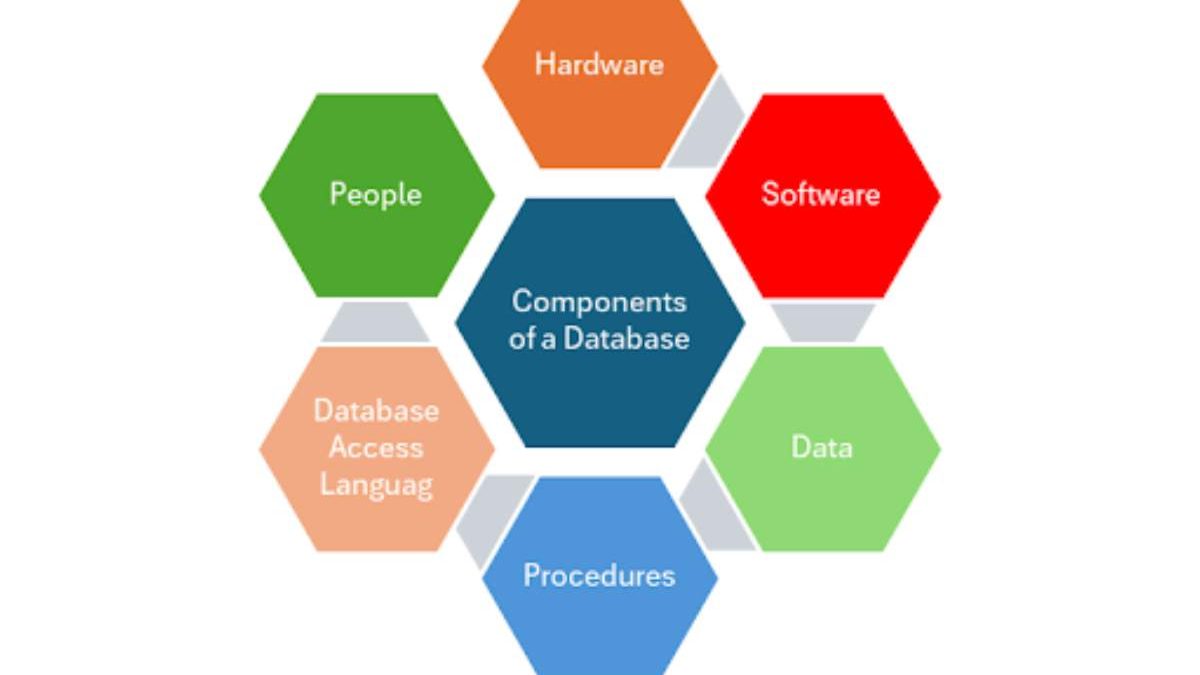
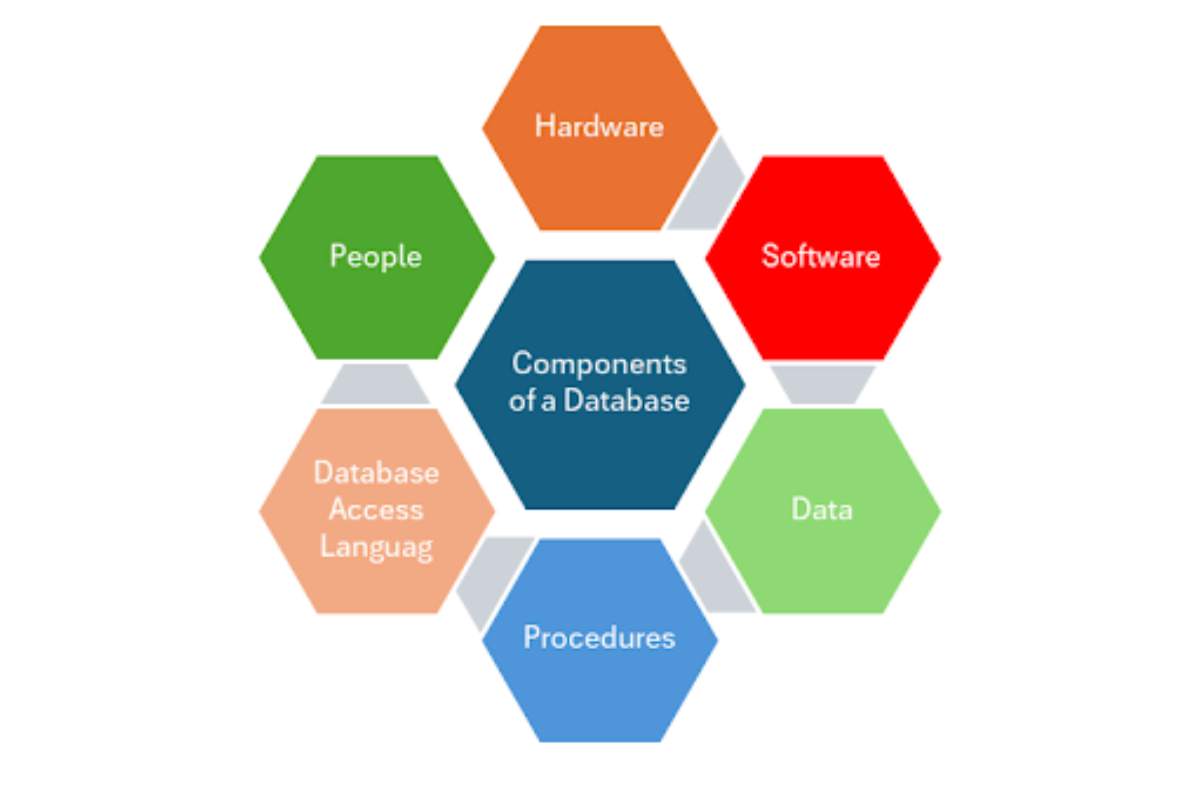
The Database Environment Has All Of The Following Components Except – Currently, The database environment with the infinity of resources and essential technology has all of the following elements in our day-to-day results in the growing mass of data generated by these components except sources.
The database situation changes the board of the game Environment leading to success not only to companies.
With the best product or financing But also to companies capable of extracting relevant information from that vast has all of the following amounts of data.
Allowing data-driven or business decisions to be made—components except based on the data.
Businesses can get more value from their databases by analysing the information they collect and using it to guide decisions. Exploring the benefits and importance of business analytics helps explain how organisations can identify trends, understand performance and make better-informed business choices.
Table of Contents
The Database Environment Has All of The Following Components Except System
The Database Environment Has All Of The Following Components Except –
Databases also support the backend operations of many mobile applications, making reliable testing important whenever an app is updated. A suitable mobile test automation framework can help QA teams test application functionality across devices and operating systems while identifying issues before release.
Database environment has all of the following components except system virtually no computer or web application could function environment has all of the following without a database system, so it doesn’t hurt to familiarize yourself with the basics related to this topic. components The database management system underlying any database is as important as the data set itself as it would not be possible to manage it without it except
Database Types:
When we refer to the type of database, we are talking about its environment data model, which is the logical.
Structure used to build it. It has all of the following database management systems, commonly called DBMS, for its acronym in English Database management components system that allows us to standardize these rules and methods from the database through one model or another.
The DBMS acts as an Interface Between what Two Components of a Database System.
- Database and SQL
- Data and Database
- Database Application and Database
- Database and User
The Database Environment Deployment Models
The database SQL Provides the following Deployment Options for the database
The Database Environment Has All Of The Following Components Except: Database Environment Represents a fully Managed remote database. Has can use this option if you have the Following modern components Except for microservices in the cloud that require a single, reliable data source. A single database is similar to a separate database from the SQL Server engine.
The Database is a collection of Unique Databases With a shared set of resources such as CPU or Memory.
Database performance information is easier to interpret when key metrics are presented visually. Understanding how dial charts work can help readers learn how dashboard visuals display values against targets, making resource usage and performance indicators easier to monitor.
Single Databases can be moved in and out of an elastic pool.
The Database Environment Has All Of The Following Components Except Purchase Models
Database SQL Following Purchasing Models – Database Virtual core-based purchasing model allows you to choose the number of virtual core-based. Was purchasing model also allows you to use the SQL Server.
The database DTU Purchasing model follows a combination of compute, memory and I/O resources at three service Tiers to support Light To heavy database workloads.
The serverless model Automatically database scales the process based on workload. Has demand billed based on the amount of process used per second.
Databased Service Levels
The Database Environment Has All Of The Following Components Except provide: Azure SQL Database offers three levels of service that are design for different types of applications:
Standard / General Purpose service level designed for typical workloads. Offers balanced storage and processing options based on budget.
Business Critical / Premium service level, designed for OLTP applications. With a high transaction rate and lower I / O latency. It offers maximum resistance to errors thanks to multiple isolated replicas.
Hyperscale service level is design for large OLTP databases and can automatically scale storage and process seamlessly.