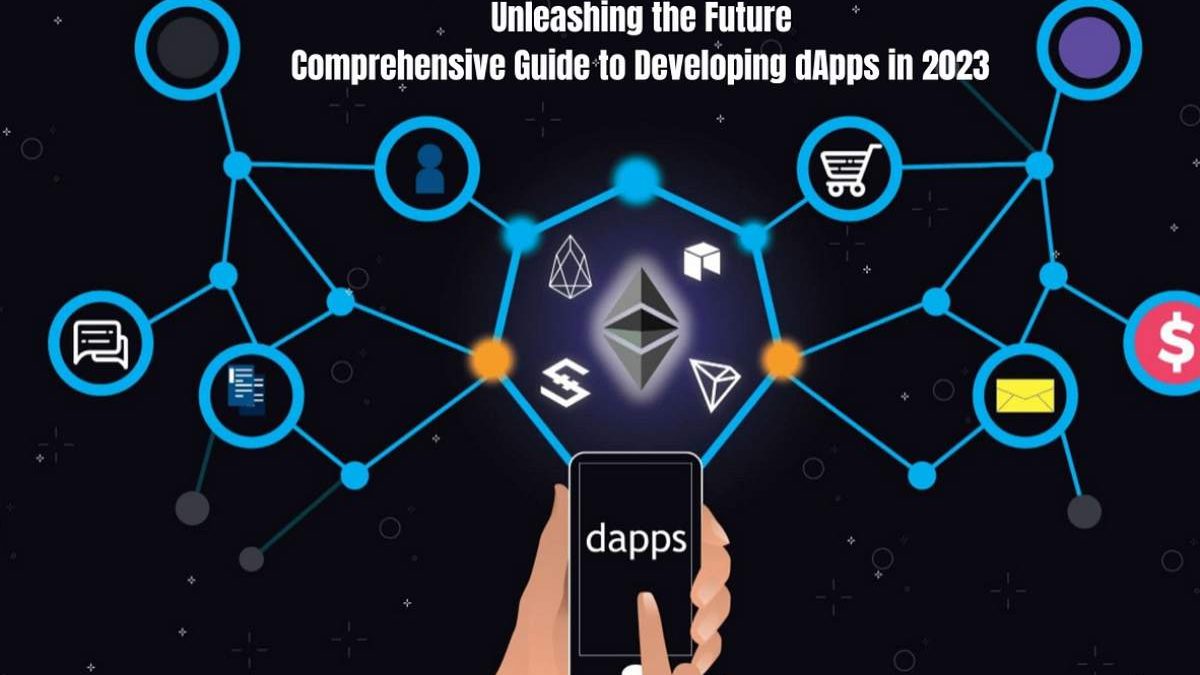
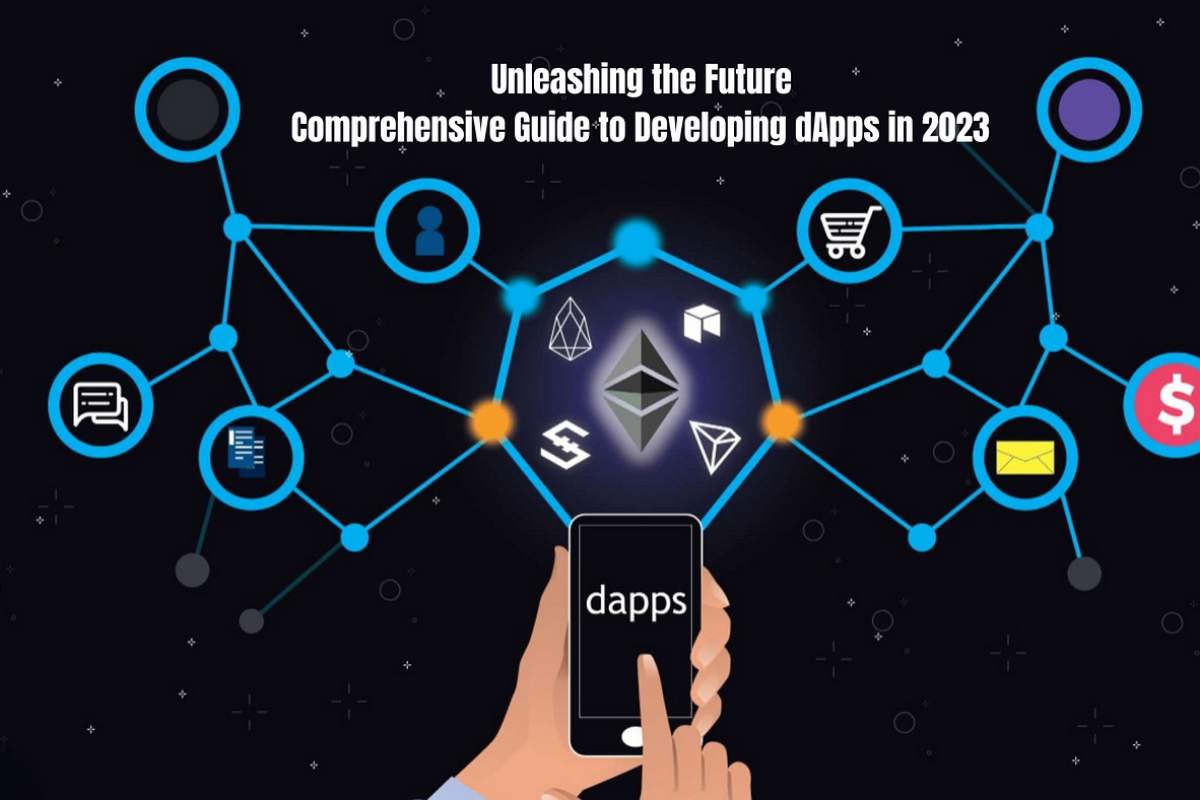
Blockchain technology has been around for over a decade and has become the backbone of many new ventures. The technology is especially popular with developers building applications on top of the blockchain. These new applications are called dApps, which stands for decentralised applications. Here’s a look at this technology and the benefits of dApps.
Table of Contents
Decentralized Applications
A dApp is an application that runs on a decentralised network, meaning no single entity has complete control over it. You can think of a dApp as being similar to a traditional application but built using blockchain technology. Many dApps use open-source code and allow users to interact with services through a compatible internet connection and, in some cases, a cryptocurrency wallet.
To understand the technology behind these applications, it helps to learn more about blockchain and how distributed ledgers record and verify information across a network.
How dApps are Created and Maintained
Decentralised applications can be developed and maintained by communities of developers and users. Unlike traditional applications controlled by a single company, some dApps use smart contracts to execute predefined rules on a blockchain. Depending on the project, users may also contribute to the source code, governance, or ongoing development.
Decentralised applications can be built as software or provided as services. For example, Ethereum provides a blockchain platform on which developers can build decentralised applications, while applications such as CryptoKitties use blockchain technology for specific digital experiences. Other projects use decentralised networks to provide financial services or additional functionality.
These applications can often be accessed through web browsers or compatible mobile applications. Depending on the service, users may need a cryptocurrency wallet to connect to the application and manage digital assets.
Unique Features
Decentralised blockchain applications have several features that distinguish them from traditional applications:
- Decentralised infrastructure: Some dApps operate across a distributed network rather than relying entirely on a single central server. The level of decentralisation depends on the application’s design.
- Open-source development: Many dApps publish their source code publicly, allowing developers to review it and contribute to improvements.
- User participation: Certain applications allow users to participate in governance or hold tokens that provide specific voting rights. The level of control varies by project.
- Blockchain-based security: Distributed networks and cryptographic verification can help protect records. However, dApps can still contain software vulnerabilities, and decentralisation does not guarantee complete security.
- Privacy considerations: Some dApps reduce reliance on centralised data storage, but transactions on public blockchains may be visible to others. Users should check what information is collected and stored before connecting a wallet.
- Flexible infrastructure: Decentralised applications can use distributed computing resources, although their speed, costs, and performance depend on the underlying network and application design.
Digital currencies are often used within decentralised applications to pay transaction fees, transfer value, or interact with blockchain-based services. Understanding digital currency can help explain how cryptocurrencies work and why they play a role in parts of the decentralised application ecosystem.
Different blockchain projects also support different tokens and use cases. Learning why altcoins are important provides additional context on how cryptocurrencies other than Bitcoin may support blockchain networks, applications, and digital services.
Decentralised applications can help communities interact with digital services and manage certain activities without relying entirely on a central authority. Developers continue to explore use cases in decentralised finance, gaming, digital ownership, and community governance.
However, each application should be evaluated individually. Before using a dApp, review its security, governance model, transaction fees, and wallet requirements. Cryptocurrency and token-based services can involve financial risks, so avoid investing money you cannot afford to lose.