Table of Contents
Introduction
In today’s competitive business landscape, organizations must continuously refine how work gets done to stay efficient and scalable. Inefficient workflows often lead to delays, errors, and employee frustration, ultimately affecting overall performance. Streamlining workflows is a strategic approach that focuses on simplifying processes, eliminating redundancies, and leveraging automation to improve productivity.
Modern platforms like Nutrient Workflow enable businesses to automate repetitive tasks, standardize operations, and ensure consistency across teams. Whether it’s onboarding employees, managing compliance, or executing marketing campaigns, streamlined workflows create a foundation for operational excellence.
What Does It Mean to Streamline a Process?
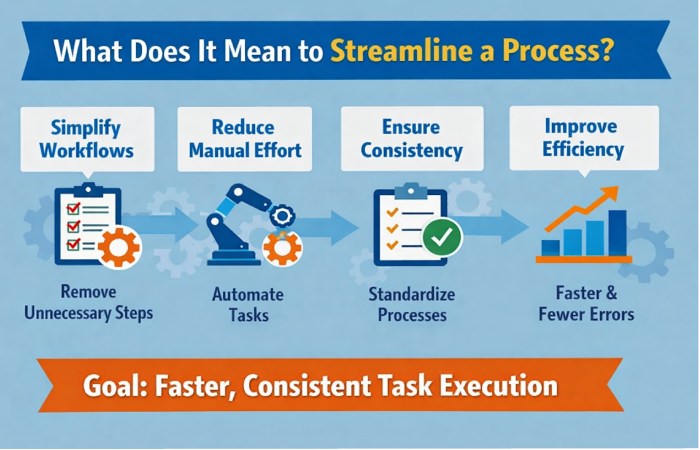
Streamlining a process involves removing unnecessary steps, reducing manual effort, and ensuring that workflows are executed consistently and efficiently. While workflows define the sequence of steps required to complete a task, processes encompass the broader system that supports business objectives.
For example, employee onboarding is a process that includes multiple workflows such as document submission, training assignments, and compliance checks. By streamlining these workflows, organizations can ensure faster onboarding, fewer errors, and a better employee experience.
| Aspect | Description |
| Definition | Simplifying workflows by eliminating redundancies |
| Goal | Increase efficiency and reduce errors |
| Outcome | Faster, consistent task execution |
Why Streamlining Workflows Matters
Businesses today rely on interconnected systems and teams to execute daily operations. Without optimization, workflows can become fragmented and inefficient. Manual processes often introduce delays, while lack of clarity leads to miscommunication.
Streamlining workflows ensures that every task follows a structured and optimized path. This not only improves coordination among teams but also enhances accountability and transparency. As a result, organizations can respond more quickly to changes and maintain a competitive edge.
Workflow improvements are important for businesses of every size because they influence how people, resources and activities work together to achieve organisational goals. Understanding what a business is provides useful context for why efficient processes and clear responsibilities matter to overall performance.
| Common Issue | Business Impact |
| Manual tasks | Increased errors and delays |
| Poor coordination | Missed deadlines |
| Redundant steps | Wasted time and resources |
Benefits of Streamlining Workflows
Streamlined workflows bring measurable improvements across all areas of an organization. By reducing manual intervention and standardizing processes, businesses can achieve higher efficiency and better outcomes.
Using tools like Nutrient Workflow, organizations can automate complex workflows and ensure tasks are completed accurately and on time. Employees benefit from reduced repetitive work, allowing them to focus on more strategic activities.
| Benefit | Explanation |
| Improved productivity | Tasks completed faster |
| Reduced errors | Automation minimizes mistakes |
| Better communication | Clear roles and responsibilities |
| Enhanced compliance | Standardized processes |
| Employee satisfaction | Less manual workload |
How to Streamline a Process
1. Examine and Catalog Current Processes
The first step in streamlining workflows is understanding how current processes function. This involves identifying all workflows across departments and analyzing each step in detail. Engaging with employees who perform these tasks daily provides valuable insights into inefficiencies and bottlenecks.
A structured approach helps businesses identify where time, resources and effort are being wasted. Following the principles for streamlining operations can help organisations simplify procedures, improve consistency and make everyday operations more efficient.
By reviewing documentation and observing workflows in action, businesses can pinpoint areas that need improvement. This foundational step ensures that any changes made are based on accurate data and real-world experience.
2. Break Processes into Smaller Steps
Once workflows are identified, breaking them into smaller, manageable steps makes them easier to analyze and optimize. Simplification helps reduce complexity and ensures that each task is clearly defined.
Smaller steps also improve training and make it easier to identify redundancies or unnecessary actions that can be eliminated.
3. Establish Work Priority
Not all workflows have the same level of importance. Prioritizing processes based on their impact on business operations helps organizations focus on what matters most. Critical workflows should be optimized first to maximize efficiency gains.
| Priority Level | Description |
| High | Essential for operations |
| Medium | Important but not urgent |
| Low | Can be automated or delayed |
4. Maintain Documentation
Proper documentation ensures consistency and clarity across teams. Even experienced employees cannot remember every step of complex workflows, making written guidelines essential.
Documentation can include standard operating procedures, checklists, and process guides. These resources help maintain accuracy and ensure that workflows are execute correctly every time.
5. Automate Workflows
Automation is one of the most effective ways to streamline workflows. By using workflow automation tools, businesses can reduce manual effort and improve efficiency.
Platforms like Nutrient Workflow allow organizations to design automated workflows that integrate with existing systems such as CRM, finance, and project management tools. This ensures seamless data flow and reduces the need for manual intervention.
| Automation Area | Example |
| Marketing | Automated email campaigns |
| Finance | Invoice approvals |
| IT | Ticketing systems |
| HR | Employee onboarding |
6. Test and Optimize
After implementing changes, it is important to test workflows in real-world scenarios. Monitoring performance helps identify any issues and provides opportunities for further optimization.
Continuous improvement ensures that workflows remain efficient and adaptable to changing business needs.
Bonus Tip: System UI Demo Mode for Mobile Workflows
For teams working with mobile applications, system UI demo mode is a powerful yet often overlook tool. It allows users to create clean and distraction-free interfaces by hiding notifications and stabilizing system indicators.
This is particularly useful for app demonstrations, quality assurance testing, and marketing purposes. By integrating this feature into workflow processes, businesses can standardize mobile presentations and improve overall efficiency.
| Use Case | Benefit |
| App demos | Clean interface |
| QA testing | Consistent visuals |
| Marketing | Professional screenshots |
Processes to Consider for Streamlining
Every department within an organization can benefit from streamlined workflows. From IT and HR to finance and marketing, optimizing processes leads to improved efficiency and better outcomes.
| Department | Key Processes |
| IT/IS | Service requests, access management |
| HR | Onboarding, benefits management |
| Finance | Invoice approvals, expense tracking |
| Marketing | Campaign approvals |
| Sales | Quote approvals, pricing |
| Operations | Complaint management |
Best Practices for Workflow Optimization
To achieve long-term success, businesses should adopt best practices that support continuous improvement. Standardization, integration, and employee training are key components of effective workflow management.
Employees also need to communicate clearly and coordinate their responsibilities when following shared procedures. Understanding teamwork in business can help organisations strengthen collaboration, clarify responsibilities and keep projects moving towards common goals.
Organizations should also track performance metrics to measure efficiency and identify areas for improvement. Leveraging insights from trusted sources like Harvard Business Review and McKinsey & Company can provide valuable guidance on optimizing workflows.
| Best Practice | Description |
| Standardization | Consistent procedures |
| Integration | Connect systems and tools |
| Training | Improve adoption |
| Monitoring | Track performance metrics |
Measuring Workflow Efficiency
Measuring performance is essential to ensure that workflow improvements deliver results. Key performance indicators (KPIs) provide insights into efficiency and productivity.
| KPI | Description |
| Cycle Time | Time to complete tasks |
| Error Rate | Frequency of mistakes |
| Productivity | Output per employee |
Conclusion
Streamlining workflows is a critical step toward improving business efficiency and achieving sustainable growth. By analyzing current processes, simplifying workflows, prioritizing tasks, maintaining documentation, and leveraging automation tools like Nutrient Workflow, organizations can significantly enhance productivity and reduce operational challenges.
With the right strategies and tools in place, businesses can create efficient, scalable, and adaptable workflows that support long-term success.