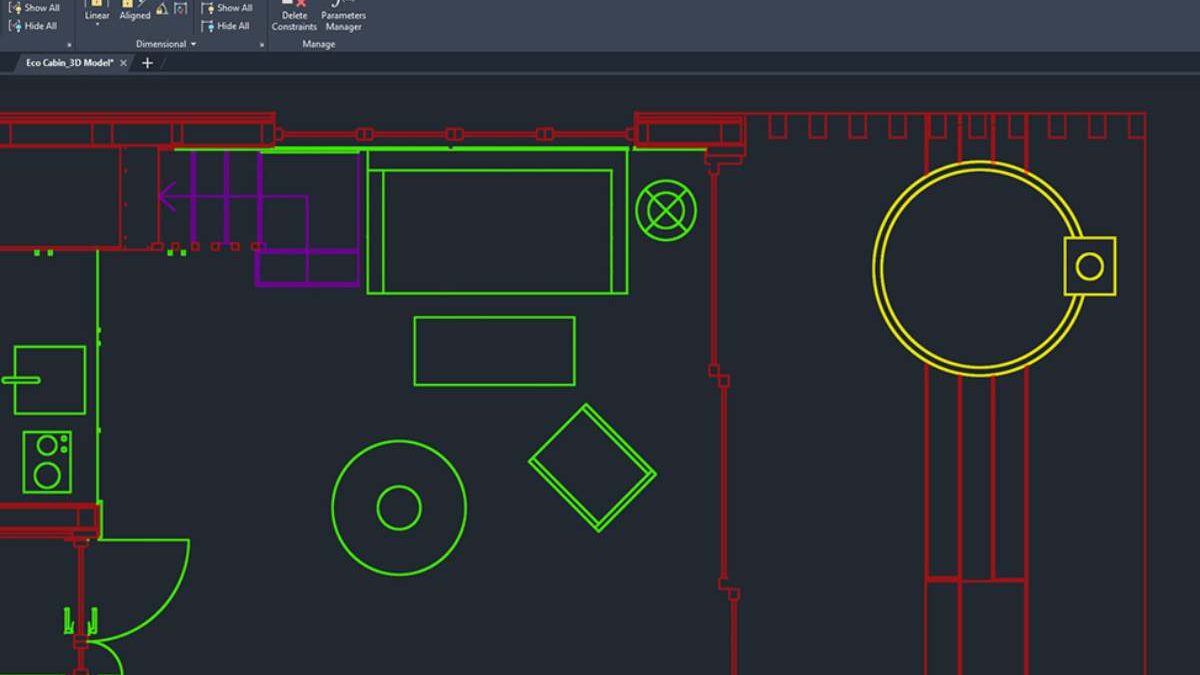

The sphere of production has been significantly transformed by the proliferation of innovative technology in recent years. Among the wealth of disruptive technologies that have emerged, the role of CAD (Computer-Aided Design) drafting has been pivotal in revamping the quality of product manufacturing in a wide range of industries. Throughout this post, we will delve into the mechanisms through which CAD drafting can be harnessed to substantially improve quality control in production.
Table of Contents
Understanding the Power of CAD Drafting
At the forefront of innovative design and production, CAD drafting is a transformative tool. It encompasses computer technology’s capacity for creating, modifying, analyzing, and refining a design, expediting the journey towards a higher quality and more efficient product.
CAD Drafting: The Gateway to Precision in Design
CAD drafting gives industries the power to create designs that are supremely accurate and reliable. The technology provides an incredibly high level of precision that is virtually impossible to reach through traditional, manual drafting methods – opening the door to unparalleled product specifications.
CAD drafting is also widely used in architecture, where accurate drawings help communicate dimensions, layouts and construction details. Detailed digital plans can support coordination between architects, engineers and other project professionals while reducing avoidable design errors. Learn more about architectural CAD drafting and its role in preparing precise architectural plans.
Streamlining the Process of Design Revisions
Another undeniable advantage of CAD drafting technology is the ease with which it allows for modifications to designs. The flexibility of the software means that any flaws detected in the primary design phases can be rectified efficiently and seamlessly, ensuring that the workflow remains unbroken.
Tracing the Impact of CAD Drafting on Quality Control
The utilization of CAD Drafting has brought forth measurable improvements in managing quality permanence across a broad range of products.
As manufacturing technology continues to evolve, machines and automated systems are becoming increasingly important in improving precision, consistency and production efficiency. These developments also influence how manufacturers approach design and quality control. Explore the future of machine technology to learn more about emerging developments that may shape modern industrial processes.
Distilling Consistency in Production
Consistency in production is a holy grail that manufacturers have been chasing. CAD drafting makes this dream a reality by enabling a finely-detailed overview of every design aspect, thus minimizing the chance of errors and ensuring higher quality and uniformity across all produced articles.
Minimizing Pitfalls: Error Mitigation through CAD Drafting
A key attribute of CAD software is its ability to identify potential inconsistencies and issues within a draft. This feature is instrumental in reducing errors, which subsequently results in an uplift in the final product’s overall quality.
By integrating elite cad drafting services, firms can create designs that adhere to meticulous specifications. This not only ensures superior quality standards, but also enhances overall productivity and profitability.
Quality control also matters when manufacturing and maintaining industrial safety equipment. Gas detectors need appropriate calibration and testing to help ensure that they provide reliable readings under the conditions for which they are designed. For related information, read this guide to XNX gas detector calibration to understand why calibration is an important part of industrial equipment maintenance.
Unearthing the Multitude of Benefits from CAD Drafting in Production
The powerful influence of CAD drafting is articulated in an impressive array of advantages it delivers to the manufacturing sector. Each benefit has transformative potential in its own right, collectively promising a paradigm shift in production processes.
Bolstering Efficiency and Productivity
CAD drafting serves as a significant catalyst in streamlining the design, prototyping, and manufacturing process. It essentially refines the entire production pipeline. The improved speed and accuracy unleash a new level of efficiency, eliminating unnecessary delays and redundant processes. This accelerated pace, combined with precision, elevates productivity to unprecedented levels.
Power analysis can also help engineers improve the efficiency and reliability of electronic products. By examining energy consumption and identifying areas of unnecessary power use, manufacturers can make better design decisions. Learn more about maximizing gadget battery life via power analysis and how power efficiency can contribute to better-performing devices. Fewer errors and quicker turnaround times inherently mean that more high-quality products can reach the market faster.
Smoothing the Path to Collaboration
One of the lesser-known yet crucial advantages of CAD drafting is how it nurtures collaboration. The digital nature of CAD files enables effortless sharing amongst team members, regardless of their geographic locations. This accessibility ushers in a new era of collaboration, fostering a productive exchange of ideas and creativity.
Successful CAD projects also depend on engineers having the right tools, technical knowledge and resources to turn design concepts into practical solutions. Providing teams with suitable equipment and support can improve coordination and help maintain quality throughout production. Read how to equip your engineers for further insights into supporting engineering teams and their work.
Trimming Production Costs
Let’s not forget the tremendous impact of CAD drafting on production costs. Technology ushers in a future where production errors are drastically reduced. This significant decrease in errors directly correlates with a reduction in waste. By eliminating the drain of resources into flawed products, the production process becomes leaner, saving considerable costs. For any company, tangible cost savings without compromising quality control are a highly desirable advantage.
Implementing competent autocad drafting services into the production process not only ensures cost-efficient output but also contributes to enhancing the overall operational efficiency of firms. These comprehensive services act as a robust backbone, supporting the demanding production pipeline and helping businesses stay competitive in a rapidly evolving industrial landscape.
Conclusion
The integration of CAD drafting into a production process is undoubtedly a strategic game-changer in the industry. Its ability to enable improved efficiency, precise designs, and significant cost savings make it a non-negotiable asset for a production process that aspires to enhanced quality control. As we observe the increasing recognition of CAD drafting’s transformational capabilities, it is clear that we can anticipate wider adoption and application across global industry sectors. By capitalizing on technology-driven drafting services, industries can gear up for lucrative breakthroughs in their quality control processes.